
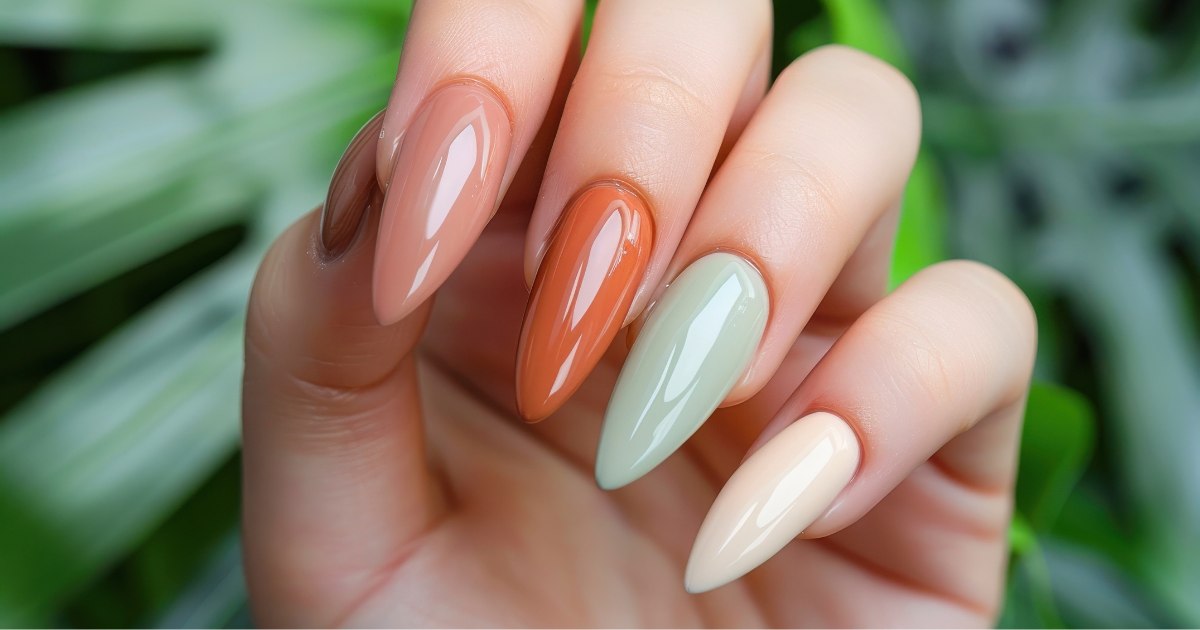
A nail color may look beautiful on a sample chart but appear noticeably different once it is applied to your hands. Burgundy may look more red on one person but appear more purple or brown on another. Similarly, a nude shade in a photo may look too pink, yellow, or gray against a different skin tone.
Your skin undertone can help narrow down the options, but it is not a strict rule. The colors you enjoy, the depth of the shade, the polish finish, and how the actual color looks on your hands are all important.
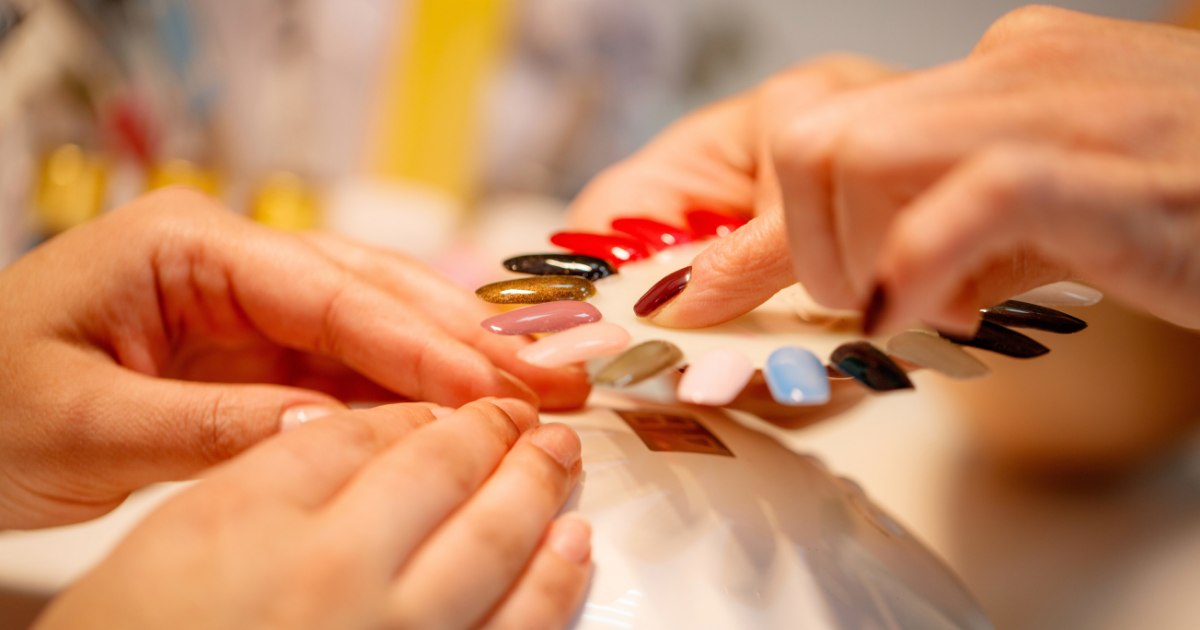
At Sunflower Nails in Greenville, you can compare physical color samples before your service begins to find an option that fits your desired style.
What Is a Skin Undertone?
Skin tone describes how light or deep your complexion appears, while undertone is the subtle warmth, coolness, or balance beneath the surface of your skin.
- Warm undertone: Golden, yellow, or peach qualities.
- Cool undertone: Pink, red, or blue qualities.
- Neutral undertone: A balance between warm and cool qualities.
- Olive undertone: A combination that may include green, golden, or neutral qualities.
There is no single method that can identify everyone’s undertone perfectly. Comparing gold and silver jewelry or noticing which clothing colors usually complement your skin may provide a starting point.
However, the most practical approach when selecting a nail color is to place different versions of the same color beside your hand. For example, compare brick red with blue-based burgundy, caramel with cool taupe, or peachy nude with pink nude.
Small differences between similar shades can create noticeably different results on each undertone.
Which Colors May Complement Each Undertone?
If you have a warm undertone, you may want to begin with colors containing golden, orange, peach, or earthy qualities. Caramel, warm chocolate, brick red, terracotta, warm olive, and peachy nude are options worth comparing.
If you have a cool undertone, try shades with blue, purple, pink, or gray qualities. Burgundy, wine, plum, eggplant, navy, cool taupe, and pink nude may create a more balanced appearance.
People with a neutral undertone can often wear both warm and cool colors. Mauve, balanced burgundy, medium chocolate, forest green, rosy beige, and deep teal are versatile options.
With an olive undertone, colors may look different depending on the lighting. Deep red, berry, chocolate brown, forest green, muted olive, rose beige, and dark teal are useful shades to compare directly beside your hand.
A color name does not always describe the final result accurately. Olive, burgundy, or nude polish from one brand may have a different undertone from a similarly named shade made by another brand. Physical salon samples are therefore more helpful than selecting a color by name alone.
How Do Color Depth and Polish Finish Change the Result?
After selecting a color family, consider how much contrast you want.
For a soft manicure, consider milky beige, sheer pink, soft taupe, or light mauve. Caramel, dusty plum, olive, and muted red provide more visible color without becoming extremely dark. Black cherry, espresso, eggplant, forest green, and navy create stronger contrast.
Short nails can still wear deep colors. When shaped carefully and polished evenly, dark shades can make short nails look clean and defined.
The finish can also change the appearance of a color:
- Cream provides smooth, solid color without shimmer.
- Sheer or jelly creates translucency and can make a color feel lighter and more dimensional.
- Shimmer adds subtle reflection without appearing overly metallic.
- Cat-eye creates a reflective area that changes as the nails move.
- Chrome adds a metallic effect over the base color.
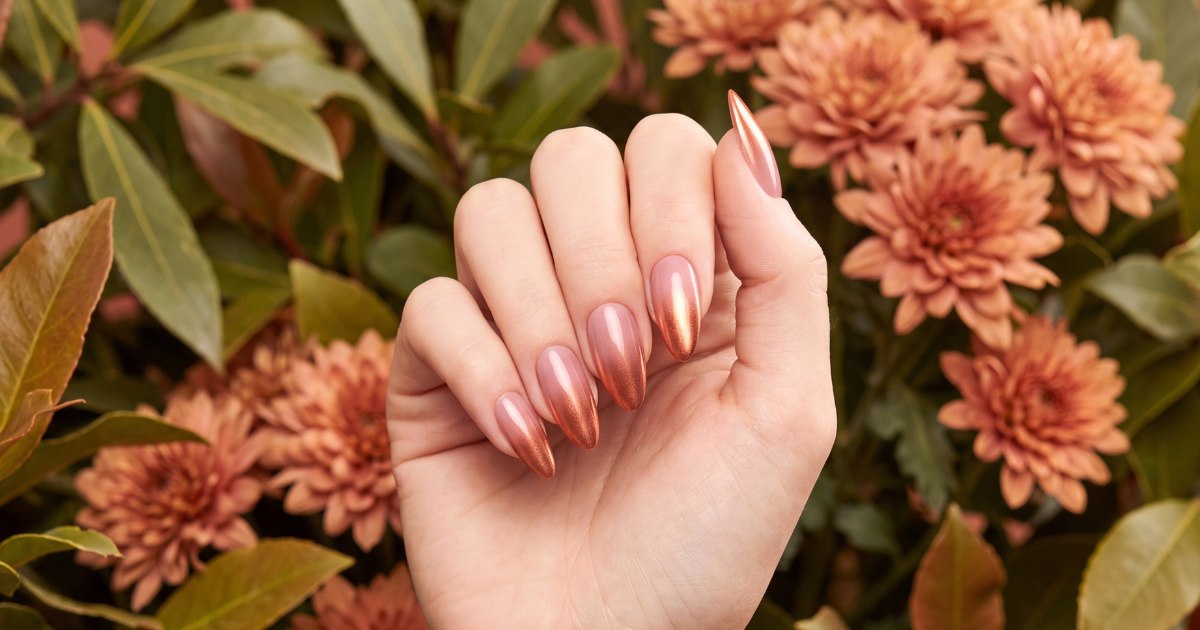
Gold chrome may make a color appear warmer, while silver or pearl chrome may make it appear cooler. Ask to see both the base color and an example of the finish before making your decision.
Why Can a Nail Color Look Different From the Photo?
A reference photo is a useful way to show your nail technician the color or style you want. However, it may not represent the exact color you will receive.
The appearance of a color can change because of:
- Lighting used when the photo was taken;
- Camera filters;
- Screen brightness and color settings;
- The skin tone shown in the photo;
- The number of polish coats;
- The base color underneath;
- Glossy, matte, chrome, or cat-eye finishes.
Instead of requesting an exact copy of the reference photo, identify the element you like most: the color, depth, finish, or overall style. You can then compare the image with the physical colors available at the salon.
How to Make Choosing a Color at the Salon Easier
You do not need to know the exact polish name before arriving at the salon. Begin with the result you want.
You can tell your nail technician:
- Whether you want a light, medium, or dark color;
- Whether you prefer warm, cool, or neutral shades;
- Whether you want a cream, sheer, shimmer, chrome, or cat-eye finish;
- Whether the manicure is for everyday wear or a specific event;
- Which detail you like most in your reference photo.
Next, select two or three samples and place them beside your hand. Comparing a smaller group is often easier than choosing directly from the entire color collection.
Your undertone provides a useful starting point, but it does not decide which colors you are allowed to wear. Your personal preference and how you feel about the actual color on your hands remain the most important factors.
If you are looking for a fall nail color in Greenville, explore the available options at Sunflower Nails and book your appointment when you are ready.
Frequently Asked Questions
Do I Have to Choose a Nail Color That Matches My Undertone?
No. Your undertone only helps you compare and narrow down the options. You can still wear any color that fits your personal style.
What If I Cannot Identify My Undertone?
Place warm, cool, and neutral versions of the same color beside your hand. Your nail technician can also help you compare the colors available at the salon.
Can Warm Undertones Wear Cool Nail Colors?
Yes. Some people prefer contrast instead of harmony. The depth and finish of a polish can also change the final result.
Do Dark Colors Work on Short Nails?
Yes. Burgundy, espresso, navy, plum, and forest green can create a clean, defined appearance on short nails.
Why Does My Nail Color Look Different From the Reference Photo?
Lighting, filters, screen settings, skin tone, the number of polish coats, the base color, and the finish can all affect how a shade appears.